
Bike Safety Tips
Riding a bike is a fun and efficient way to travel—but it also comes with risks. Whether you’re a new cyclist or a seasoned commuter, practicing Bike Safety Tips can greatly reduce the chances of injury and improve your experience on the road.
Here’s a comprehensive guide to help you stay safe while cycling.
bike safety tips
- Wear Proper Safety Gear
Before you even get on your bike, safety starts with the right gear. The most important item? A properly fitted helmet.
Fact: According to the CDC, helmets reduce the risk of head injuries by up to 85%.
Make sure your helmet meets certified safety standards such as CPSC, Snell, or ASTM.
Additional recommended gear:
Reflective clothing: Enhances visibility, especially in low-light conditions.

Cycling gloves: Improve grip and protect your hands during a fall.
Knee and elbow pads: Optional but great for beginners and kids.
Closed-toe shoes: Ensure good grip and better control of the bike.
- Understand and Obey Traffic Laws
Bicyclists are legally required to follow the same rules as motorists. Obeying traffic laws helps prevent accidents and makes you more predictable to others on the road.
Ride with the flow of traffic, never against it.
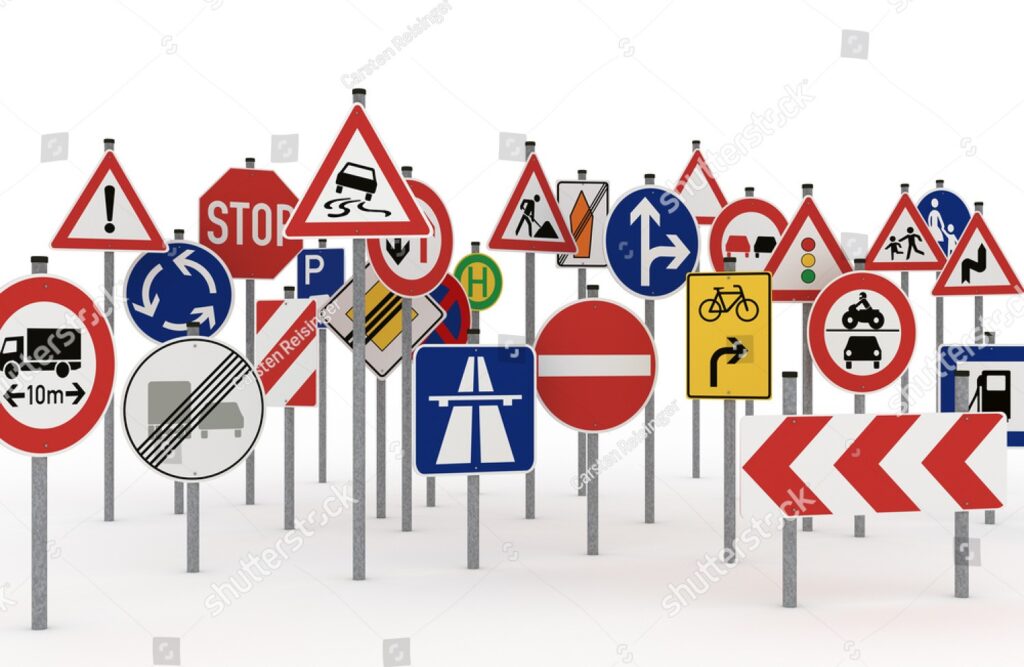
Obey all traffic signs and signals.
Use hand signals to communicate:
Left turn: Left arm extended straight out.
Right turn: Left arm bent upward or right arm straight out.
Stop: Left arm bent downward.
- Make Yourself Visible
Many cycling accidents occur because drivers don’t see the cyclist. Boost your visibility by:
Wearing bright or fluorescent clothing during the day.
Using front and rear lights at night.
Installing reflectors on wheels, pedals, and your helmet.
Riding predictably—avoid weaving through traffic.
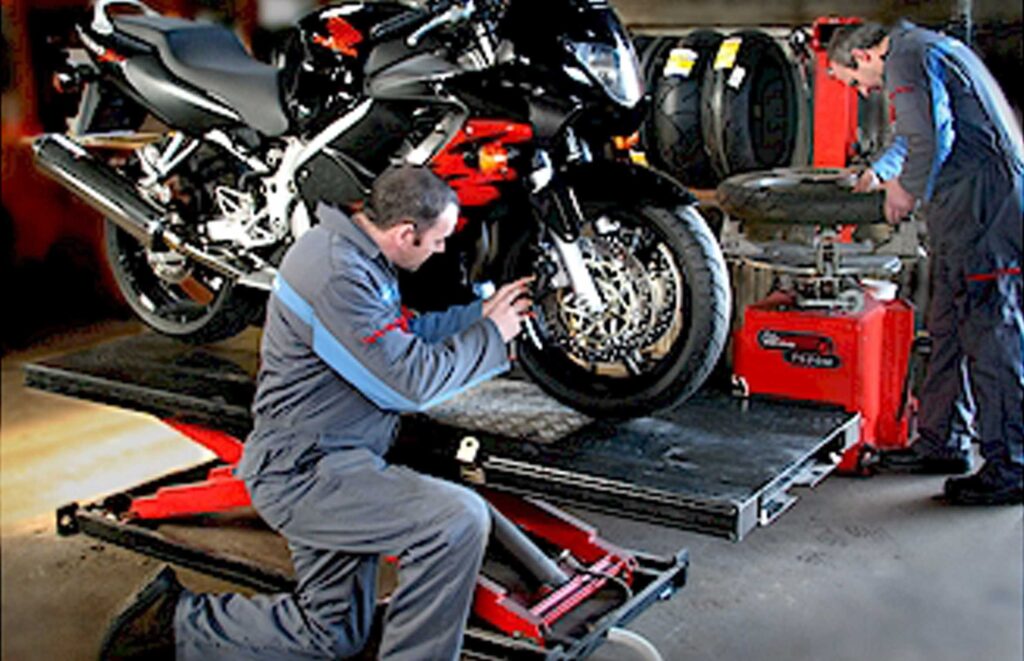
- Perform Regular Bike Maintenance
A well-maintained bike is a safer bike. Before every ride, perform an easy ABC check:
A – Air: Check tire pressure and inspect for punctures or wear.
B – Brakes: Ensure both front and rear brakes are working properly.
C – Chain and Cranks: Lubricate the chain and check for rust. Ensure smooth rotation of pedals.
Schedule regular tune-ups to inspect us bikemeck :
Wheel alignment
Brake pad wear
Gear shifting performance
- Choose Safe Routes
Your route can greatly impact your safety.
Choose bike lanes, dedicated trails, or low-traffic streets.
Avoid highways or roads with limited shoulder space.
Use bike-friendly navigation apps or local cycling group recommendations for safe paths.
- Stay Alert and Avoid Distractions
Distractions while cycling can be deadly.
Avoid headphones or using your phone while riding.
Be alert for:
Potholes, wet leaves, or debris
Opening car doors
Pedestrians in shared spaces
If you need to check your phone or adjust your gear, pull over safely.
- Know Your Skill Level
Confidence is key—but overconfidence can be dangerous.
Practice in quiet areas before navigating traffic.
Gradually build your endurance and bike-handling skills.
Learn how to perform emergency stops and sharp turns.
Consider enrolling in a local bike safety class or watching instructional videos online.
- Ride Defensively, Not Aggressively
Defensive cycling helps you stay prepared for the unexpected.
Never assume a car will yield.
Avoid blind spots and maintain a safe distance from vehicles.
Make eye contact with drivers when possible.
Be ready to brake or swerve if needed.
Avoid aggressive behavior and don’t engage with angry or reckless drivers.
- Teach Kids About Bike Safety tips
For young riders, safety education is essential.
Teach kids to: some example videos
Always wear a helmet
Ride on sidewalks or bike paths
Cross streets at crosswalks
Supervise children until they demonstrate safe habits and awareness. Ride with them and set a good example.
- Be Prepared for Emergencies
Unexpected situations can happen—be ready.
Carry a small first aid kit.
Bring a patch kit, pump, and multi-tool.
Learn basic bike repair skills (like fixing a flat tire).
Store emergency contact info in your wallet or phone.
Consider using apps like Road ID, which can broadcast your location in case of a serious incident.
Conclusion: Safe Riding Starts With You
Learning how to ride a bike safely isn’t just about avoiding accidents—it’s about making biking a safe, stress-free, and enjoyable part of your life. Whether you’re commuting, exercising, or exploring, practicing these bike safety tips will protect you and enhance your cycling experience.
Stay aware. Stay visible. Stay safe. And above all—enjoy the ride.